

Vanya Health Care

Help us protect
your kidneys

Vanya Healthcare is a trusted kidney clinic located at S.F. Road, Siliguri, West Bengal where renowned Senior Consultant Nephrologist Dr. Anand Jain (MBBS MAMC Delhi, MD Medicine LHMC and RML Delhi, DNB Nephrology ILBS Delhi) sees kidney patients.

We help in effectively treating problems such as:

Face & Leg Swelling
Burning / Foamy / Blood in Urine
Decreased Appetite / Nausea / Vomiting
Fatigue / Anaemia
Pain In Flank

Or

Get a Call Back

    Meet the Doctor​

    Dr. Anand Jain

    MBBS (MAMC, New Delhi)
    MD Medicine (LHMC and RML, New Delhi)
    DNB Nephrology (ILBS, New Delhi)

    Meet the Doctor

    Dr. Anand Jain is a Senior Consultant Nephrologist (Kidney specialist) and Renal Transplant physician practising in Siliguri. He conducts his OPD at Vanya Healthcare, SF Road Siliguri and is associated with Maharaja Agrasen Research Centre, Siliguri West Bengal. He has 15+ years of experience and has been trained at top-ranked institutes from Delhi. Dr. Anand Jain has completed his MBBS from Maulana Azad Medical College, New Delhi and his MD in Internal Medicine from Lady Hardinge Medical College and RML Hospital, New Delhi. He completed his DNB in Nephrology from ILBS (Institute of Liver and Biliary Sciences), New Delhi. He has been associated with various government institutes in New Delhi and has been very active in his career as an academician and researcher.


    He has special interest in diabetic kidney disease, resistant hypertension, renal transplant, critical care nephrology, chronic kidney disease and dialysis (haemodialysis and peritoneal dialysis).


    He has also completed his ISN-ANIO Clinical Nephropathology Certificate (1 year of training under the aegis of Dr. Vanessa Bijol (USA). He has been offered an ISPD fellowship at Hammersmith Hospital (Imperial College of London), UK under Dr. (Prof) Edwina Brown. He has also been offered a General Nephrology Fellowship at the University Health Network, Toronto, Canada under Dr. Sheldon Tobe.

    Treatments

    Resistant Hypertension arrow

    Hypertension which is not controlled by three or more than three anti-hypertensives is called resistant hypertension. These patients need to be thoroughly evaluated for secondary causes of hypertension in which kidney related ailments causing resistant hypertension is very common.

    Acute Kidney Disease arrow

    In acute kidney disease there is sudden loss of kidney function, and it is commonly seen with infections like gastroenteritis, pneumonia, urinary tract infections, malaria , dengue etc . Acute kidney injury is usually reversible with timely treatment.

    Renal Transplant & Post Transplant Complications arrow

    Renal transplant has become a common treatment for chronic kidney disease and patient’s quality of life improves drastically after renal transplant. These patients are on immunosuppressive medications and are therefore more prone for infections.

    Hemodialysis, Sled, CRRT, Plasma Exchange arrow

    Haemodialysis is the conventional technique which is usually employed in maintenance dialysis. In ICU and inpatient setting when patient is not stable hemodynamically then techniques such as SLED(Slow Low Efficiency Dialysis) and CRRT(Continuous Renal Replacement Therapy) are employed. Plasma Exchange is the removal of patient’s plasma using a special filter and is used in some autoimmune diseases.

    Potassium & Sodium Correction arrow

    Our kidneys produce a special hormone called erythropoietin which is responsible for haemoglobin production. In kidney disease production of this hormone is affected and patients suffer from anaemia which can be treated with this hormone preparation.

    Critical Care Nephrology arrow

    Kidney disease patients are commonly affected by life threatening complications such as fluid overload, hyperkalemia, serious infections, cardiac issues etc and need ICU care. Such sick patients need dedicated and advanced care under a team of doctors headed by the nephrologist.

    Diabetic Kidney Disease arrow

    Diabetes is the most common cause of kidney disease worldwide and all diabetic patients should get evaluated for kidney disease at least once in a year. In initial stages it may manifest as proteinuria and in later stages kidney function tests start getting affected.

    Urinary Tract Infection arrow

    Urinary tract infection is a very common problem especially in females and elderly males. It can be uncomplicated or complicated. Detailed evaluation and timely treatment and antibiotic prophylaxis when indicated are effective strategies for its management.

    Kidney Biopsy arrow

    Kidney biopsy is a procedure where kidney tissue is biopsied using a minimally invasive technique under ultrasound guidance using local anaesthesia. It is very useful for evaluation of certain autoimmune kidney diseases and also after kidney transplant.

    Anaemia of Kidney
    Disease arrow

    Our kidneys produce a special hormone called erythropoietin which is responsible for haemoglobin production. In kidney disease production of this hormone is affected and patients suffer from anaemia which can be treated with this hormone preparation.

    Glomerular Kidney
    Diseases arrow

    These are a specific subset of kidney diseases which are usually autoimmune in nature and tend to affect the younger population, They usually require a kidney biopsy for diagnosis and specific immunosuppressive therapy for their management. If not diagnosed in time they may lead to end stage renal disease.

    Chronic Kidney Disease arrow

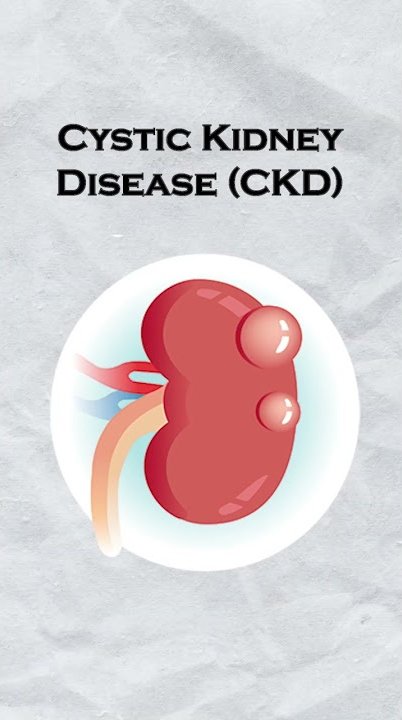
    Chronic Kidney disease is currently the ninth most common cause of death worldwide and once it sets in it is usually progressive and not reversible. Diabetes and hypertension along with cystic kidney diseases and autoimmune kidney diseases remain the most common cause of CKD.

    Medical Management of Kidney
    Stones arrow

    Kidney stones which do not cause any obstruction or infection can be managed medically with oral drugs. Also patients who are recurrent stone formers need detailed urinary evaluation and dietary modifications to avoid recurrence.

    Dialysis Catheter & Permacath
    Insertion arrow

    When haemodialysis is to be initiated urgently and an AV Fistula is not ready, dialysis can be done using dialysis catheters inserted into large veins of the body such as jugular vein, femoral vein etc. Permacath is a soft catheter which is inserted using a subcutaneous tunnel and has lower infection rates and better shelf life than simple hard dialysis catheters.

    Peritoneal Dialysis arrow

    Peritoneal Dialysis or Water Dialysis is a technique where a special fluid is inserted into the patient’s abdomen and exchange of this fluid on a daily basis helps to remove waste products from the body. Nowadays automated peritoneal dialysis machines are also available.

    Nephrotic & Nephritic Syndrome arrow

    In these disorders kidneys start excreting protein and or blood in the urine and as a result patients suffer from body swelling due to low albumin, high BP, decreased urine output etc. These disorders are usually autoimmune in origin and need to be evaluated so that timely treatment can be initiated.

    Excellent
    Based on 90 reviews
    Sanju Basfoure
    Sanju Basfoure
    2024-03-20
    Nice treatment
    DINHATA VILLAGE-IIGP DINHATA
    DINHATA VILLAGE-IIGP DINHATA
    2024-03-16
    We proud for him.
    rohit chaudhary
    rohit chaudhary
    2024-03-01
    WORST DOCTOR EVER ! Do not go over these fake reviews here! HE IS THE WORST DOCTOR TBH !! Take your loved ones in some good reputed hospital in metropolitan cities but not to this fraudster. he will make the patients condition more worst. If you care about your loved ones do not take them to him. He knows nothing about renal. And later say it’s your fault! Have you ever heard doctor saying negative and bad? Despite being under his treatment for more than 2years. No improvement, condition getting worst. HE IS NOT AN EXPERIENCED DOCTOR. His license should be canceled SERIOUSLY! Honestly writing, DONT TAKE YOUR LOVED ONES TO THIS FRAUDSTER ANAND JAIN or you will regret later !
    Kartik Shil
    Kartik Shil
    2024-02-26
    Dr Anand Jain khub valo dr siliguri te..onar treatment e Ami onekdin theke .. ekhon ami oneksushtho achi
    Tshering Bhutia
    Tshering Bhutia
    2024-02-23
    Dr jain is one of the most helpful and trustworthy Doctor 🏥 in siliguri....we had got good treatment..
    Ajoy Kumar Das
    Ajoy Kumar Das
    2024-02-14
    I'm fully satisfied with Dr. Anand jain treatment
    Banti Das
    Banti Das
    2024-02-09
    Excellent treatment
    sudhir agarwal
    sudhir agarwal
    2024-02-04
    Humble and understanding, good medication
    Priya Roy Priya Roy
    Priya Roy Priya Roy
    2024-02-01
    Dr Anand Jain is a best nephrologist in siliguri..His behavior is very polite and very cooperative.


    Accreditation

    Kidney FAQs

    Our kidneys act as a filter clearing out waste products from our body and excrete them in the urine. Kidneys also are needed for the synthesis of Vitamin D which plays a very important role in maintaining our bone health. Kidneys are also responsible for the production of erythropoietin hormone which helps in production of haemoglobin.
    Far far away, behind the word mountains, far from the countries Vokalia and Consonantia, there live the blind texts. Separated they live in Bookmarksgrove right at the coast
    Common symptoms of kidney disease include body swelling, decreased appetite, low haemoglobin, decreased or frothy urine, pain in the back or burning in urine. Sometimes patient may have nonspecific complains like generalized weakness, feeling low or feeling nauseated. Blood in urine can also be an important clue for kidney disease.

    Common tests like urea, creatinine , uric acid levels in the blood and urine tests along with an ultrasound of the kidneys can help in diagnosing kidney diseases. Vulnerable population groups such as diabetics, hypertensives, elderly as well as those with family history of kidney disease should get their kidney functions and urine tests done annually.

    Dialysis is a process by which waste products in our body are cleared either by haemodialysis (blood dialysis) or peritoneal dialysis (water dialysis). People with end stage kidney disease usually need dialysis treatment. Dialysis can add meaningful years to the life of a patient with end stage kidney disease and patients can have an active and healthy life if well managed on dialysis
    Kidney transplant is the harvesting of one kidney from a living or dead donor and transplanting it into a patient of end stage kidney disease. Kidney donation is very safe and people with two healthy kidneys and free of major comorbidities can donate a kidney to their loved ones. Kidney transplant worldwide has excellent outcomes with success rate of more than 95% in most centres. Recipients of kidney transplant do not need dialysis anymore and can live normal healthy lives without dietary restrictions. Kidney transplants usually last for a long time if adequate precautions are taken and patient is compliant with his treatment.
    If you have any symptoms of kidney disease or have abnormal kidney function or urine tests or have a history of kidney stones you should visit a nephrologist. All patients who are undergoing dialysis or are kidney transplant recipients should be under regular follow up of a nephrologist. Patients with recurrent urinary tract infections, diabetes and difficult to treat hypertension should also visit a nephrologist.
    Hypertension which is not controlled by three or more anti hypertensives is called resistant hypertension. It usually tends to have an underlying cause and is commonly seen in kidney disease. Kidney plays a very important role in the regulation of blood pressure and underlying kidney disease should always be ruled out in cases of resistant hypertension.
    Urinary tract infections are commonly seen in young females and elderly males with underlying prostate related disease. Patients suffering from diabetes, HIV or having kidney stones are more susceptible to urinary tract infections.
    Kidney stones are a common problem nowadays and risk factors include high salt diet, decreased fluid intake, high intake of acidic foods like carbonated beverages etc. Incidence of kidney stones also increases with urinary tract infections and in some genetic diseases.
    A patient with chronic kidney disease should reduce their salt intake, they should also reduce fluid intake if they have a tendency of retaining fluid in their legs and chest. Potassium should be monitored and if high potassium containing foods like fruit, fruit juices , tomatoes etc should be reduced.
    Chronic kidney disease patients should reduce their protein intake. The standard recommendation is to have 0.8 gm/kg protein per day for a CKD patient not on dialysis. A vegetarian diet is anyways protein deficient and thus excess protein restriction should be avoided as it may lead to malnutrition. Once a patient is initiated on dialysis, protein intake should be increased as protein losses occur during dialysis.

    Get a Call Back

      Get in Touch

      For Appointment:

      Pharmacy:

      Email Us:

      Locate Us:

      ©2024 Vanya Healthcare | All Rights Reserved.
      // Call Now Button